
Italian restaurant near Exmouth Market, Clerkenwell
Exmouth Market is one of Clerkenwell's best-loved streets, lined with cafes, restaurants and independent shops. It also has a surprising Italian connection. ...
Read the story
Some wines are for a Tuesday lunch; Barolo is the kind of wine people save for a birthday, an anniversary or a celebration. It's the special-occasion red on the list at Fiena, our family-run Italian cafe, bar and restaurant at 4 Medway Court, Judd Street, London WC1H 9QX, a few minutes' walk from King's Cross St Pancras. Here's what makes it famous, and what to eat with a bottle.
Barolo is a red wine from Piedmont, in north-west Italy, made from a single grape, Nebbiolo. It comes from a small zone a little over 11 kilometres south-west of the town of Alba, in the province of Cuneo, covering the village of Barolo itself and neighbouring communes such as La Morra, Castiglione Falletto, Serralunga d'Alba and Monforte d'Alba. Even today, more than 87% of Barolo comes from those five original communes, and the rules insist the vineyards sit on hillsides, never on damp valley floors.
The grape's name is thought to come from nebbia, Italian for fog. Nebbiolo is one of the first grapes to bud and the last to ripen, and it's usually picked in mid to late October, when thick autumn fog settles over the Langhe hills. Background from Wikipedia's Nebbiolo page.
Barolo as we know it, a dry and long-lived red, took shape in the 19th century. Count Camillo Benso di Cavour, the mayor of Grinzane Cavour, wanted wines from his Grinzane estate that could age and travel. Recent research credits the winemaker Paolo Francesco Staglieno, who worked for Cavour between 1836 and 1841, with fermenting the wine fully dry. It became a favourite of the nobility in Turin and the royal House of Savoy, which is where the nickname "the wine of kings, the king of wines" comes from.
Background from Wikipedia's Barolo page.
Barolo is often described as smelling of "tar and roses". Nebbiolo makes surprisingly pale wines for such a powerful grape, and they can be firmly tannic when young. As they age, they turn a brick-orange colour at the rim of the glass and open up to notes of violets, cherries, herbs, tobacco and even truffle.
On our drinks menu, the Barolo is described as deep garnet with complex aromas of rose, ripe cherry, tar and warm spice. It sits at the top of our red list with the Fidora Amarone, above everyday reds such as the Montepulciano d'Abruzzo and the Nero d'Avola. For the full list, see our guide to our Italian wine list, and ask our team about bottles when you book.
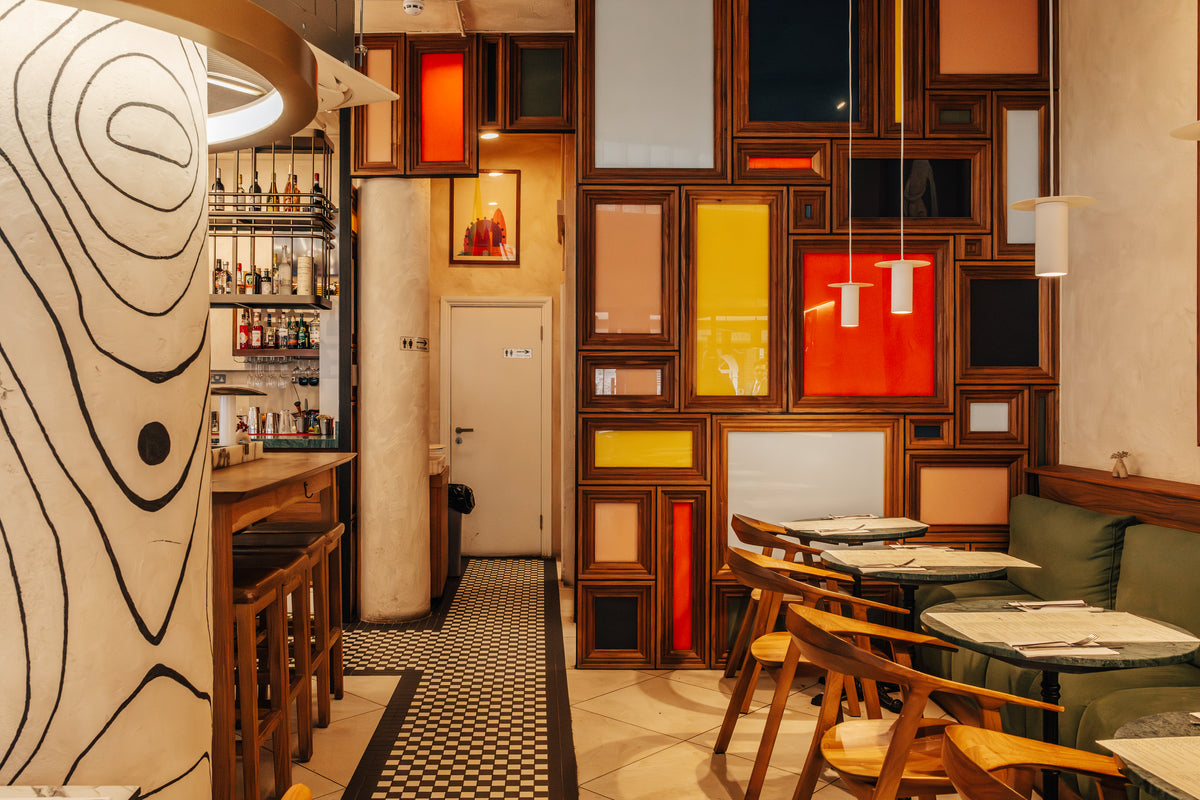
Guests often mention the drinks as well as the food. R C wrote: The drinks were also really good.
(Google review) And David found that you can feel that the meat is fresh and of high standard
(David, Google review), which matters with a wine this serious.
A big, tannic red wants food with some richness. From our main menu:
See our posts on saltimbocca, risotto and lasagna. Celebrating? Have a look at date night at Fiena and private hire and celebrations.
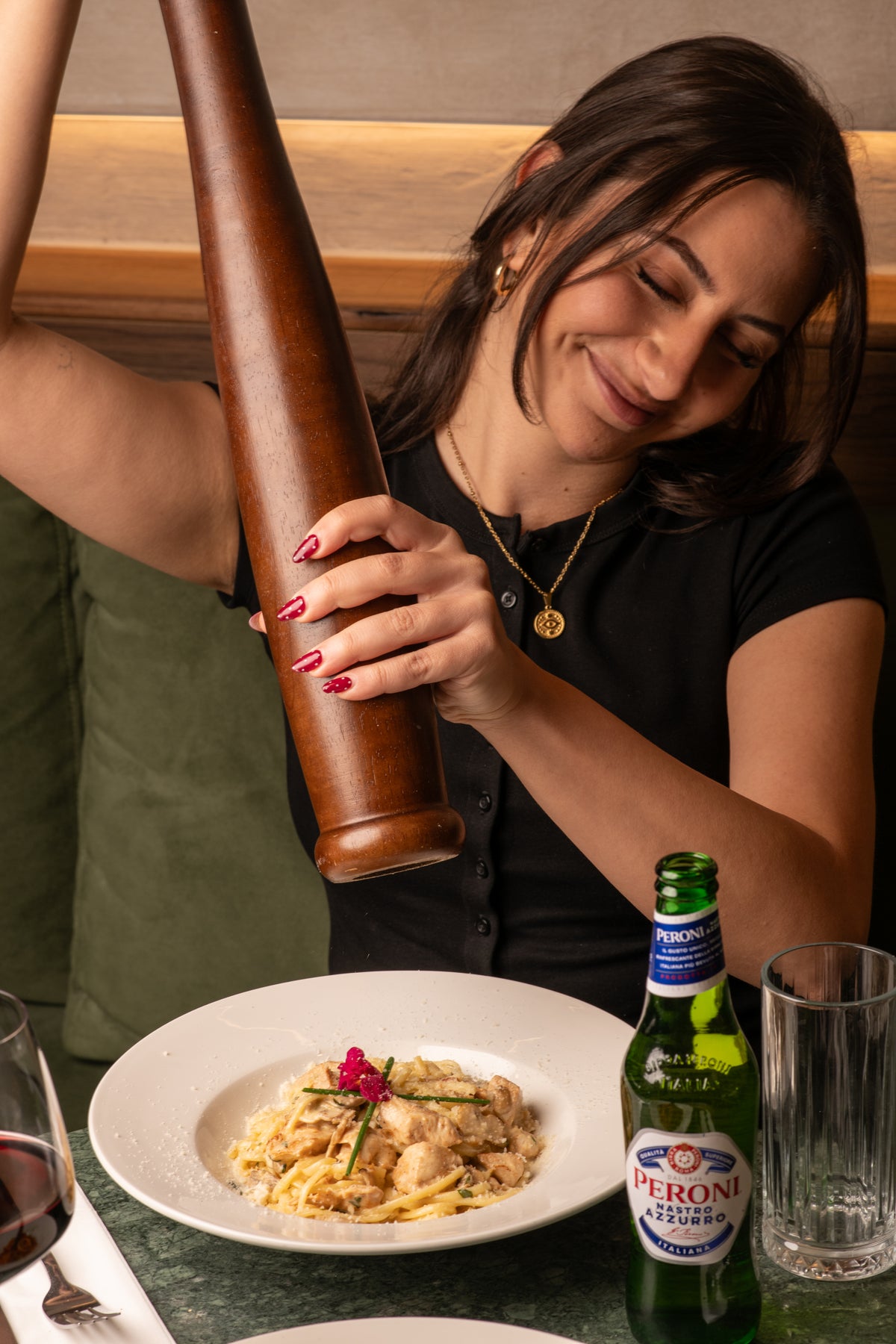
“the setting was really cosey and enjoyable”
John, Google review, 2026
Piedmont's most famous red, on Judd Street. Book a table or just walk in. Please drink responsibly.
Exmouth Market is one of Clerkenwell's best-loved streets, lined with cafes, restaurants and independent shops. It also has a surprising Italian connection. ...
Read the storyFew drinks are as tied up with London's history as gin. It was blamed for a public health crisis in the 18th century, gave its name to a whole style of spiri...
Read the storyAsk for an Italian white and most people think of Pinot Grigio. But Italy has hundreds of local grapes, and some of the most interesting come from Sicily. On...
Read the story
