
Italian restaurant near Exmouth Market, Clerkenwell
Exmouth Market is one of Clerkenwell's best-loved streets, lined with cafes, restaurants and independent shops. It also has a surprising Italian connection. ...
Read the story
Few drinks are as tied up with London's history as gin. It was blamed for a public health crisis in the 18th century, gave its name to a whole style of spirit, and is still made in the city today. Behind the bar at Fiena, our family-run Italian cafe, bar and restaurant at 4 Medway Court, Judd Street, London WC1H 9QX, a few minutes' walk from King's Cross St Pancras, there are six to choose from. Here's a short history.
Gin is a distilled spirit flavoured with juniper berries and other plant ingredients, known as botanicals. After juniper, it can be flavoured with herbs, spices, flowers or fruit. The name is a shortened form of genever, and goes back to juniperus, the Latin for juniper.
Gin's distant ancestor was a medicine. Wikipedia traces it to a juniper liquor made by monks and alchemists in Salerno, in southern Italy, in the 12th century. The drink we'd recognise grew up in Flanders and the Netherlands as jenever (or genever). English soldiers fighting the Spanish in Antwerp in 1585 are said to have drunk it before battle, which is thought to be where the phrase "Dutch courage" comes from.
Some historians argue England had its own tradition too: a 1639 manuscript called The Distiller of London has a recipe with juniper, orange peel, lemon peel and orris root, much like a London Dry gin today.
Gin really took off in England after William of Orange took the throne in 1689. Taxes on spirits made at home fell, while heavy duties hit imports like French brandy. Between 1695 and 1735, thousands of gin shops opened, and cheap gin became an everyday drink for the poor. This was the Gin Craze.
Parliament tried to control it with five major acts, in 1729, 1736, 1743, 1747 and 1751. The 1736 act made sellers take out a £50 licence every year. William Hogarth's famous engraving Gin Lane, usually shown next to the much happier Beer Street, comes from this time. By 1757, stricter licences and the rising price of grain had brought the craze to an end. Background from Wikipedia's Gin Craze page.
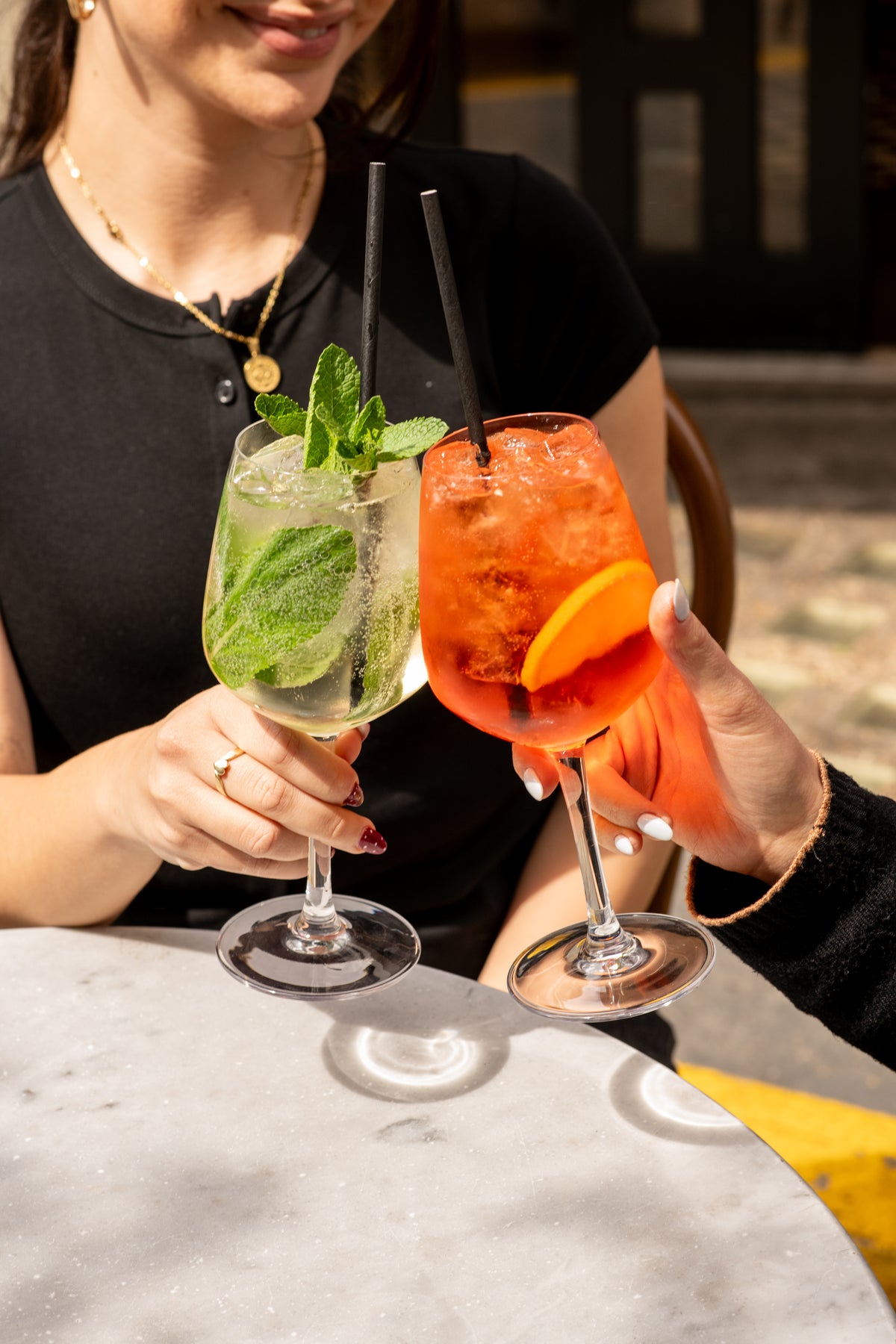
In the 18th century, a softer, sweeter style called Old Tom was popular, often with sugar added. Then the column still was invented, in 1826 and 1831, making a cleaner spirit possible, and the drier London Dry style developed later in the 19th century.
Gin and tonic was born in Britain's tropical colonies, where gin helped hide the bitter taste of quinine, then the only effective medicine against malaria. Quinine was dissolved in fizzy water to make tonic. Modern tonic water contains only a trace of it, for flavour. Background from Wikipedia's gin page.
Beefeater is a London Dry gin, and its distillery in Kennington is one of 24 still operating in London. Its story starts in 1862, when James Burrough bought a distillery on Cale Street in Chelsea. Production moved to Kennington in 1958. The name refers to the Yeomen of the Guard, the monarch's ceremonial bodyguards. According to the brand, it uses nine botanicals: juniper, angelica root, angelica seed, coriander seed, liquorice, almond, orris root, Seville oranges and lemon peel. Background from Wikipedia's Beefeater page.
On our drinks menu, the gins are Beefeater, Beefeater Pink, Hendricks, Monkey 47, Gin Mare and Dara Gin, poured in 25ml measures. Schweppes tonic is on the soft drinks list if you'd like a G&T. Or try gin in a cocktail, made with a 50ml spirit measure:
See our posts on the Negroni and espresso martini, the French 75 and French 47 and our whisky, bourbon and tequila.
From the main menu, small plates go well with a gin: Padron peppers with flaked sea salt, Arancini mushroom with saffron sauce, Baby calamari with tartar sauce, or Bruschetta with marinated plum tomatoes. See Padron peppers, arancini and calamari.
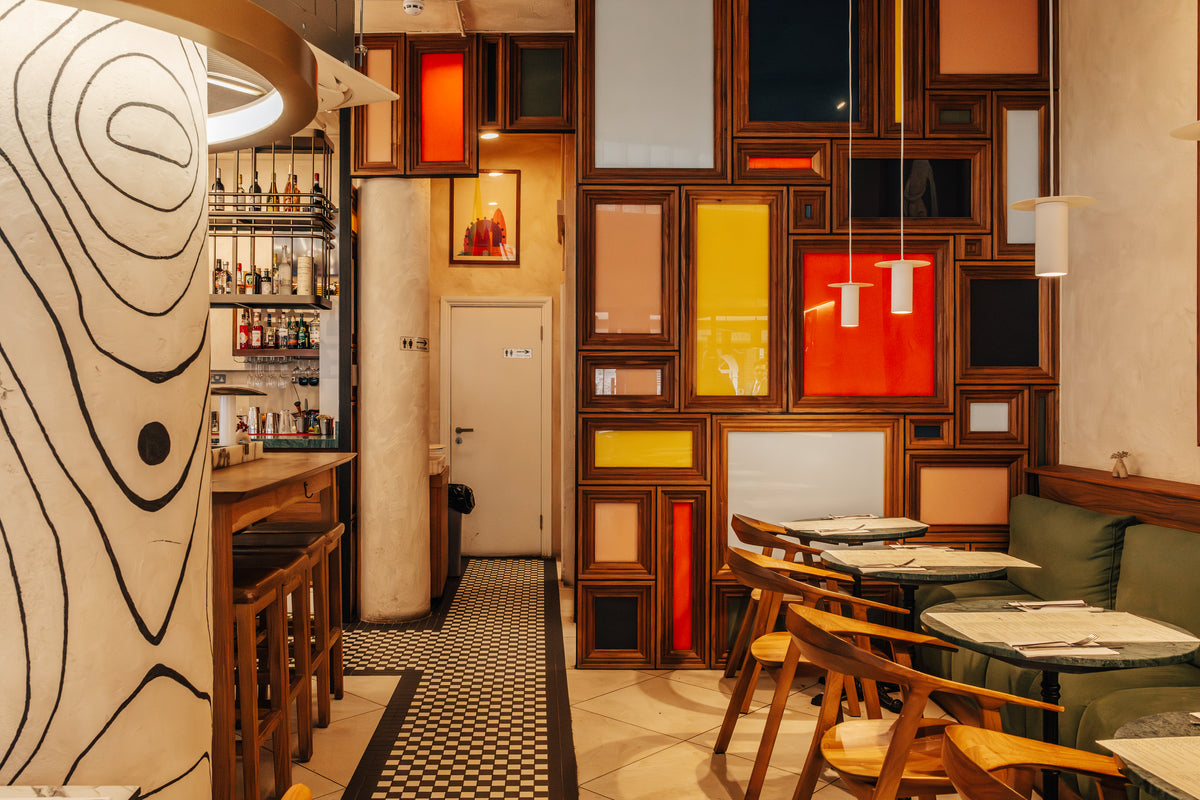
Guests like a drink here. Kiley wrote: I’d also recommend sitting outside and enjoying a cocktail here.
(Kiley, Google review) And R C: The drinks were also really good.
(R C, Google review)
Six gins, a Negroni and a plate of arancini, a few minutes from King's Cross. Book a table or just walk in. Please drink responsibly.
Exmouth Market is one of Clerkenwell's best-loved streets, lined with cafes, restaurants and independent shops. It also has a surprising Italian connection. ...
Read the storyAsk for an Italian white and most people think of Pinot Grigio. But Italy has hundreds of local grapes, and some of the most interesting come from Sicily. On...
Read the storyRed Lion Square is a small, leafy square just off Holborn, best known today as the home of Conway Hall. If you're there for a talk, a concert or a meeting an...
Read the story
