
Italian restaurant near Exmouth Market, Clerkenwell
Exmouth Market is one of Clerkenwell's best-loved streets, lined with cafes, restaurants and independent shops. It also has a surprising Italian connection. ...
Read the story
A pan of glossy black shells, a sauce worth mopping up, and a slice of toasted bread to do the mopping: mussels are one of the great sharing starters. They're on the menu at Fiena, our family-run Italian cafe, bar and restaurant at 4 Medway Court, Judd Street, London WC1H 9QX, a few minutes' walk from King's Cross St Pancras, cooked with capers, anchovies, olives, garlic, white wine and tomato. Here's a little about mussels, how different countries cook them, and what's in our pan.
People have eaten mussels for thousands of years. About 17 species are edible, and the ones most often eaten include the blue mussel, Mytilus edulis, and the Mediterranean mussel, Mytilus galloprovincialis. Mussels anchor themselves to rocks and ropes with fine threads, and in the kitchen those threads are called the "beard", which is pulled off when the mussels are cleaned. Because they cling so readily to ropes, mussels are well suited to farming, and they grow quickly, usually reaching harvest size in under two years.
Every coast has its own way with mussels. In Belgium, the Netherlands and France they're famously served with chips, as moules-frites, or with bread. In Spain they're mostly steamed with white wine, onion and herbs. In Italy, where they're called cozze, mussels are often mixed with other seafood, and are most commonly eaten steamed, sometimes with white wine and herbs, and served with their cooking juices and a squeeze of lemon. Background from Wikipedia's mussel page.
Our version is a starter on the main menu: Mussels with capers, anchovies, olives, garlic, white wine and tomato sauce, served with toasted bread. If those flavours sound familiar, they're the same Neapolitan store-cupboard ingredients (tomatoes, olives, capers, anchovies and garlic) that go into spaghetti alla puttanesca, a sauce whose ancestors appear in Neapolitan cookbooks as far back as 1844 (more on puttanesca). Salty, briny and rich, it's the kind of sauce the toasted bread is there for. The dish is marked GFA on our menu, which means a gluten-free option is available; just ask.
Mussels are served from midday until close, and they're a good one to share before pasta or pizza. In the mood for more shellfish? The starters also include Capesante, pan-fried scallops in a lemon butter sauce, Tiger prawns with garlic and white wine, and Marinated seafood in olive oil, lemon and herbs. For a main, the Linguine frutti di mare and Linguine vongole keep the seafood theme going. See our posts on capesante, linguine alle vongole, fritto misto and risotto and seafood.
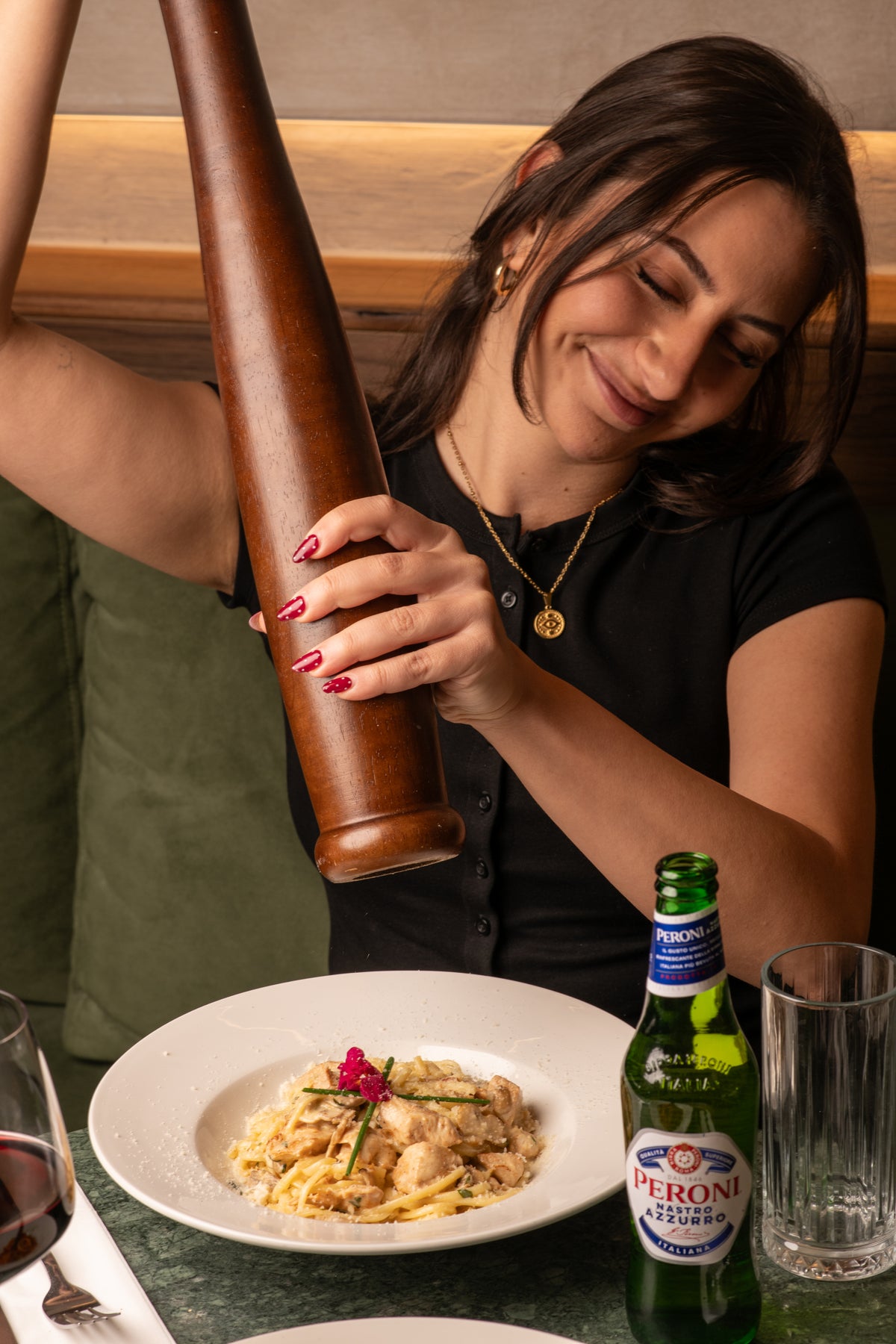
Guests often mention how fresh the cooking is. Nasipa wrote: The food was tasty, fresh, and really well prepared.
(Nasipa, Google review) And John, just back from Naples: I was in Napoli last week and the food wasn’t far off from the real deal.
(John, Google review)
Briny, garlicky mussels love a crisp white. From our drinks menu, try the Gavi di Gavi, bone dry with lemon and green apple notes, the Albarino from Galicia in north-west Spain, or the Sicilian Vitis Nostra Grillo. The Sancerre is a classic with shellfish too, and a glass of Prosecco never goes amiss. Prefer beer? A pint of Moretti works well with the salty sauce. Our post on the wine list has more.
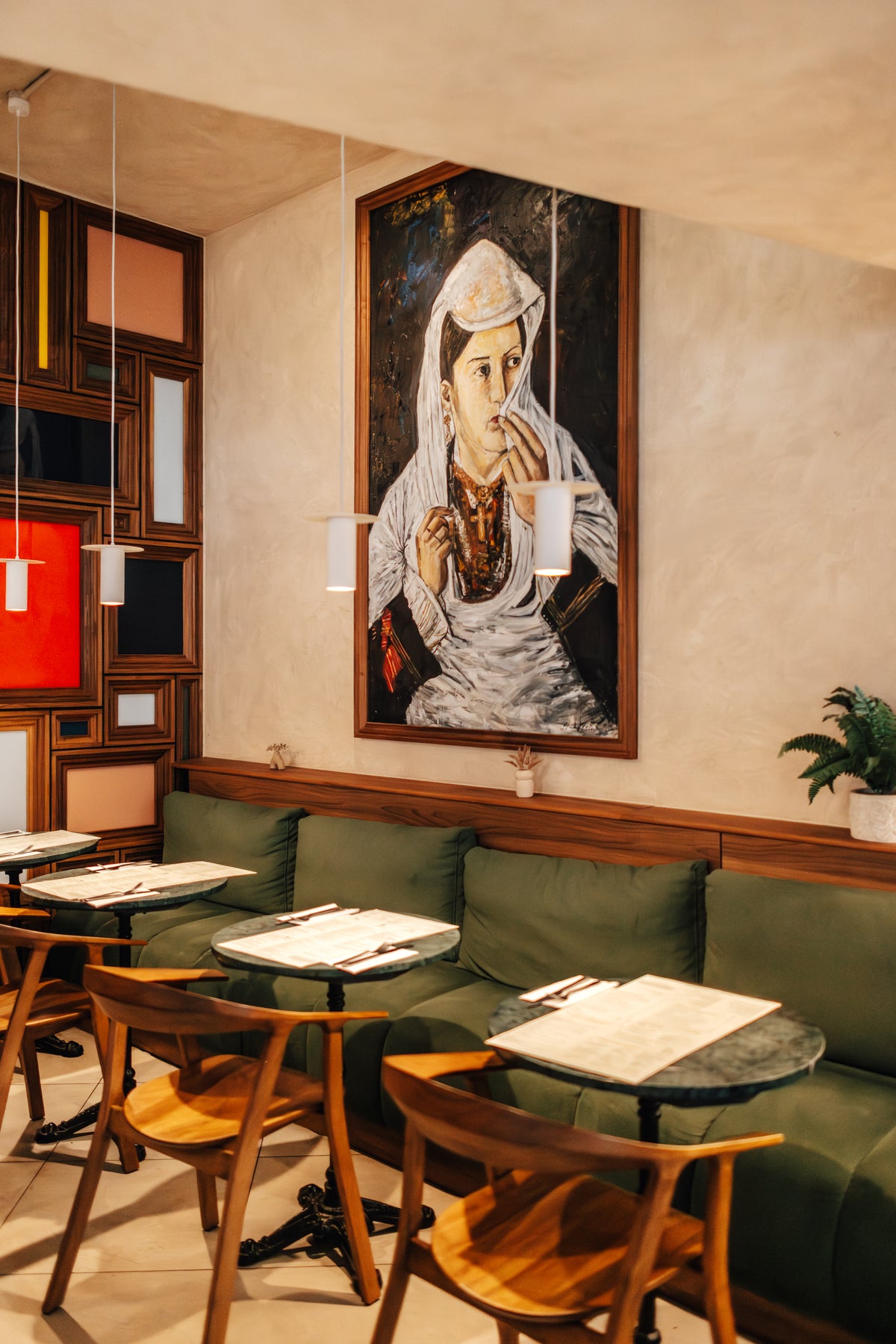
“Love the place for its relaxing atmosphere and delicious food that's greatly presented.”
Polina, Google reviews, 2025
Bring an appetite and keep the bread. Book a table or walk in at 4 Medway Court, Judd Street.
Exmouth Market is one of Clerkenwell's best-loved streets, lined with cafes, restaurants and independent shops. It also has a surprising Italian connection. ...
Read the storyFew drinks are as tied up with London's history as gin. It was blamed for a public health crisis in the 18th century, gave its name to a whole style of spiri...
Read the storyAsk for an Italian white and most people think of Pinot Grigio. But Italy has hundreds of local grapes, and some of the most interesting come from Sicily. On...
Read the story
